In dentistry, oral surgery is a specialty that treats a variety of disorders affecting the face, jaws, and mouth. In order to preserve oral health and function, oral surgery is essential for everything from straightforward tooth extractions to intricate operations like corrective jaw surgery. When a patient’s problem is too big for general dentistry care and needs surgery to fix, dentists may recommend them to an oral surgeon.
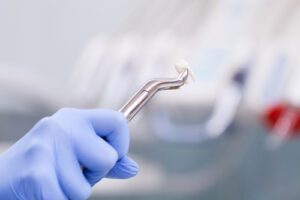
Teeth extraction is among the most popular forms of oral surgery. A surgical extraction is frequently necessary for impacted or broken teeth, particularly wisdom teeth, even though many teeth can be readily extracted in a routine dentist office. Untreated impacted wisdom teeth can lead to infection, crowding, and suffering. In order to guarantee the patient’s comfort, oral surgeons are trained to remove these teeth safely, frequently with the use of sedation or anesthetic.
The implantation of dental implants is a significant use of oral surgery. A sturdy base for replacement teeth is provided via implants, which are titanium posts that function as artificial roots. The implant is inserted into the mandible, where it gradually merges with the bone. In addition to restoring a natural tooth’s appearance, this treatment helps maintain bone density and facial shape. Because it requires such accuracy and skill, oral surgeons are frequently relied upon to execute this surgery.
The purpose of corrective jaw surgery, also known as orthognathic surgery, is to realign the jaws and teeth and correct abnormalities of the jaw bones. Speaking, breathing, and chewing can all be significantly improved by this. For those with severe biting problems, facial imbalance, or sleep apnea that orthodontics alone cannot treat, it might be advised. To get the best outcomes, orthodontic treatment is usually administered in conjunction with the surgery.
Additionally, facial injuries and reconstructive needs are treated using oral surgery. Regardless of the cause—disease, trauma, or birth defects—oral surgeons are able to fix fractures, straighten out abnormalities, and restore both beauty and function. Surgery may be required in situations of oral cancer in order to remove tumors and rebuild the mouth or face’s afflicted areas.
Patients may also need surgery if their periodontal (gum) disease is advanced. Gum and bone grafting are two procedures that assist restore lost support and tissue, resulting in a better base for implants or teeth. Likewise, oral surgeons conduct biopsies and excise oral tumors or cysts, aiding in the early detection and management of possible health issues.
Although oral surgery may seem frightening, it is now safer and more comfortable than ever because to developments in anesthesia and technology. Patients can go back to their homes the same day because the majority of treatments are done as outpatient procedures. Depending on the surgery, recovery timeframes can vary, but properly following post-operative instructions lowers the chance of complications and ensures a smooth healing process.
Solutions that restore confidence, function, and health are available through oral surgery. Oral surgeons strive to enhance patients’ quality of life with accuracy and care, whether it involves extracting a painful tooth, implanting a dental device, or addressing a jaw problem.