Dentures are custom-made dental appliances designed to replace missing teeth and restore the function and appearance of a natural smile. Whether a person is missing a few teeth or an entire arch, dentures offer an effective, time-tested solution that improves chewing, speaking, and overall facial aesthetics. They are typically made from acrylic resin, sometimes combined with metal, and are shaped to fit comfortably in the mouth while mimicking the look of real teeth.
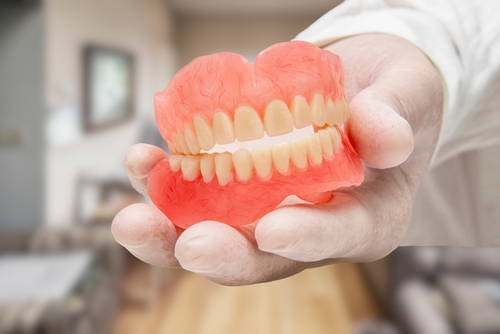
There are two main types of dentures: full and partial. Full dentures replace all the teeth in the upper or lower jaw and rest directly on the gums. These are often recommended when most or all natural teeth are missing or need to be removed due to decay or disease. Partial dentures, on the other hand, are used when some natural teeth remain. They are secured using clasps that attach to adjacent teeth, filling the gaps left by missing ones.
The process of getting dentures usually involves several appointments. It starts with a dental evaluation and impressions of the mouth to ensure a precise fit. Once the dentures are crafted, the dentist checks for proper alignment, comfort, and appearance. Minor adjustments may be made over time to improve the fit as the mouth naturally changes shape, especially in the months following tooth loss.
Modern dentures are more comfortable and natural-looking than ever before. Advances in dental technology have made it possible to create prosthetics that closely resemble the size, shape, and color of a patient’s original teeth, enhancing both aesthetics and self-esteem. Dentures also support the facial muscles, preventing the sunken appearance that often occurs with tooth loss.
Caring for dentures is essential to ensure their longevity and maintain oral health. They should be removed and cleaned daily using a soft brush and non-abrasive cleanser. Soaking them overnight in a denture solution helps keep them moist and free of bacteria. It’s also important to clean the gums, tongue, and any remaining natural teeth regularly. Dentures should never be worn while sleeping unless instructed by a dentist.
Over time, changes in the mouth—such as bone resorption and gum shrinkage—can affect how dentures fit. Ill-fitting dentures may cause discomfort, sores, or difficulty eating and speaking. Routine dental visits are necessary to monitor the fit and condition of the dentures. Relines or replacements may be needed to ensure continued comfort and effectiveness.
For those seeking even greater stability, implant-supported dentures offer a secure alternative. These dentures are anchored to dental implants placed in the jawbone, providing enhanced support and reducing the risk of slipping or shifting. This option combines the affordability of dentures with the security of implants, making it a popular choice for many patients.
Dentures offer more than just a functional solution—they restore confidence and improve quality of life. Whether full, partial, or implant-supported, dentures help individuals eat more comfortably, speak more clearly, and smile with renewed pride. With proper care and regular dental checkups, dentures can be a long-lasting, life-changing solution for anyone facing tooth loss.