Category Archives: Default

Are Dentures Right for You?

Dentures are custom-made dental appliances designed to replace missing teeth and restore the function and appearance of a natural smile. Whether a person is missing a few teeth or an entire arch, dentures offer an effective, time-tested solution that improves chewing, speaking, and overall facial aesthetics. They are typically made from acrylic resin, sometimes combined with metal, and are shaped to fit comfortably in the mouth while mimicking the look of real teeth.
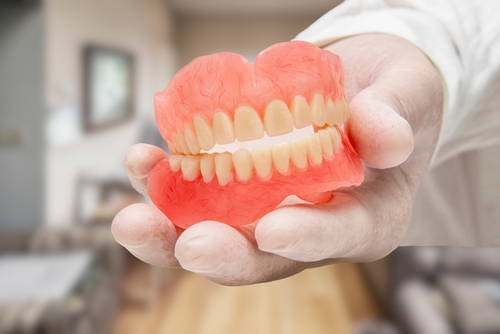
There are two main types of dentures: full and partial. Full dentures replace all the teeth in the upper or lower jaw and rest directly on the gums. These are often recommended when most or all natural teeth are missing or need to be removed due to decay or disease. Partial dentures, on the other hand, are used when some natural teeth remain. They are secured using clasps that attach to adjacent teeth, filling the gaps left by missing ones.

The process of getting dentures usually involves several appointments. It starts with a dental evaluation and impressions of the mouth to ensure a precise fit. Once the dentures are crafted, the dentist checks for proper alignment, comfort, and appearance. Minor adjustments may be made over time to improve the fit as the mouth naturally changes shape, especially in the months following tooth loss.

Modern dentures are more comfortable and natural-looking than ever before. Advances in dental technology have made it possible to create prosthetics that closely resemble the size, shape, and color of a patient’s original teeth, enhancing both aesthetics and self-esteem. Dentures also support the facial muscles, preventing the sunken appearance that often occurs with tooth loss.

Caring for dentures is essential to ensure their longevity and maintain oral health. They should be removed and cleaned daily using a soft brush and non-abrasive cleanser. Soaking them overnight in a denture solution helps keep them moist and free of bacteria. It’s also important to clean the gums, tongue, and any remaining natural teeth regularly. Dentures should never be worn while sleeping unless instructed by a dentist.

Over time, changes in the mouth—such as bone resorption and gum shrinkage—can affect how dentures fit. Ill-fitting dentures may cause discomfort, sores, or difficulty eating and speaking. Routine dental visits are necessary to monitor the fit and condition of the dentures. Relines or replacements may be needed to ensure continued comfort and effectiveness.

For those seeking even greater stability, implant-supported dentures offer a secure alternative. These dentures are anchored to dental implants placed in the jawbone, providing enhanced support and reducing the risk of slipping or shifting. This option combines the affordability of dentures with the security of implants, making it a popular choice for many patients.

Dentures offer more than just a functional solution—they restore confidence and improve quality of life. Whether full, partial, or implant-supported, dentures help individuals eat more comfortably, speak more clearly, and smile with renewed pride. With proper care and regular dental checkups, dentures can be a long-lasting, life-changing solution for anyone facing tooth loss.

When Is Oral Surgery Necessary?

In dentistry, oral surgery is a specialty that treats a variety of disorders affecting the face, jaws, and mouth. In order to preserve oral health and function, oral surgery is essential for everything from straightforward tooth extractions to intricate operations like corrective jaw surgery. When a patient’s problem is too big for general dentistry care and needs surgery to fix, dentists may recommend them to an oral surgeon.

Teeth extraction is among the most popular forms of oral surgery. A surgical extraction is frequently necessary for impacted or broken teeth, particularly wisdom teeth, even though many teeth can be readily extracted in a routine dentist office. Untreated impacted wisdom teeth can lead to infection, crowding, and suffering. In order to guarantee the patient’s comfort, oral surgeons are trained to remove these teeth safely, frequently with the use of sedation or anesthetic.

The implantation of dental implants is a significant use of oral surgery. A sturdy base for replacement teeth is provided via implants, which are titanium posts that function as artificial roots. The implant is inserted into the mandible, where it gradually merges with the bone. In addition to restoring a natural tooth’s appearance, this treatment helps maintain bone density and facial shape. Because it requires such accuracy and skill, oral surgeons are frequently relied upon to execute this surgery.

The purpose of corrective jaw surgery, also known as orthognathic surgery, is to realign the jaws and teeth and correct abnormalities of the jaw bones. Speaking, breathing, and chewing can all be significantly improved by this. For those with severe biting problems, facial imbalance, or sleep apnea that orthodontics alone cannot treat, it might be advised. To get the best outcomes, orthodontic treatment is usually administered in conjunction with the surgery.

Additionally, facial injuries and reconstructive needs are treated using oral surgery. Regardless of the cause—disease, trauma, or birth defects—oral surgeons are able to fix fractures, straighten out abnormalities, and restore both beauty and function. Surgery may be required in situations of oral cancer in order to remove tumors and rebuild the mouth or face’s afflicted areas.

Patients may also need surgery if their periodontal (gum) disease is advanced. Gum and bone grafting are two procedures that assist restore lost support and tissue, resulting in a better base for implants or teeth. Likewise, oral surgeons conduct biopsies and excise oral tumors or cysts, aiding in the early detection and management of possible health issues.

Although oral surgery may seem frightening, it is now safer and more comfortable than ever because to developments in anesthesia and technology. Patients can go back to their homes the same day because the majority of treatments are done as outpatient procedures. Depending on the surgery, recovery timeframes can vary, but properly following post-operative instructions lowers the chance of complications and ensures a smooth healing process.

Solutions that restore confidence, function, and health are available through oral surgery. Oral surgeons strive to enhance patients’ quality of life with accuracy and care, whether it involves extracting a painful tooth, implanting a dental device, or addressing a jaw problem.

How Dentists Help Treat Sleep Apnea

Millions of individuals worldwide suffer from sleep apnea, a dangerous sleep ailment that frequently goes undiagnosed. It happens when a person’s breathing stops and begins during sleep on a regular basis. The heart and other organs are strained and peaceful sleep is impeded by these disruptions, which can occur hundreds or even thousands of times every night. Obstructive sleep apnea (OSA), the most prevalent type, occurs when the throat muscles relax excessively, obstructing the airway. Less frequently, central sleep apnea is brought on by the brain’s inability to properly communicate with the breathing muscles.

Loud, persistent snoring that is frequently broken up by choking or gasping sounds is one of the telltale symptoms of sleep apnea. But not all snores are caused by sleep apnea. Additional symptoms include irritation, dry mouth, headaches in the morning, excessive daytime sleepiness, trouble concentrating, and restless sleep. A bed partner may be the first to detect an issue because many of these symptoms happen while you’re sleeping.

If untreated, sleep apnea can have major negative effects on one’s health. It has been connected to depression, heart disease, stroke, high blood pressure, and type 2 diabetes. Significant stress on the cardiovascular system might also result from frequent reductions in oxygen levels during the night. Untreated sleep apnea in kids can cause behavioral problems, subpar academic performance, and developmental delays. Although overweight persons are more likely to have it, anyone can be affected, even young children and healthy adults.

A sleep study is usually the first step in the diagnosis process, and it can be completed at home using a portable device or at a sleep center. During sleep, this study tracks vital signs such as oxygen levels, heart rate, and breathing. The severity of the illness determines the course of treatment after diagnosis. Continuous positive airway pressure, or CPAP, therapy is the most popular and successful treatment. By continuously pumping air via a mask, a CPAP machine maintains the airway open while you sleep.

Alternative therapies for people who are unable to tolerate CPAP include oral appliances, which move the jaw and tongue to maintain an open airway. Dentists with sleep medicine training frequently provide these devices. Surgery to remove extra tissue or fix structural problems in the nose or throat may be an option in more severe or resistant situations. Modifications to one’s lifestyle, such as sleeping on one’s side, avoiding alcohol and sedatives, quitting smoking, and decreasing weight, can also greatly alleviate symptoms.

Improving quality of life and avoiding major problems from sleep apnea depend on early detection and treatment. Individuals sometimes go years without receiving a diagnosis, attributing their lack of energy or restful sleep to aging or stress. Better long-term health outcomes and prompt treatment can result from increasing people’s knowledge of the symptoms and motivating them to consult a doctor.

Even while sleep apnea is silent at night, it can have serious and far-reaching consequences. Better sleep, more energy, and a healthier life can result from being aware of the symptoms, getting a good diagnosis, and completing therapy.

Brighten Your Smile with Professional Teeth Whitening

It’s simple to understand why teeth whitening has grown to be one of the most common cosmetic dentistry procedures performed today. A radiant white smile can make a lasting impression, improve looks, and increase self-confidence. A number of things, such as aging, coffee, tea, red wine, and tobacco use, can cause teeth to discolor or get stained over time. As enamel erodes and reveals the yellowish dentin underneath, even healthy teeth might become less radiant due to natural aging. Reversing these consequences and restoring a beautiful smile can be accomplished safely and effectively with teeth whitening.

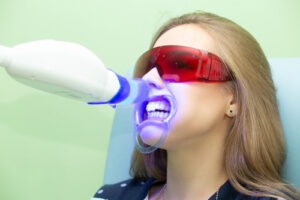
When it comes to teeth whitening, there are a number of alternatives available, from at-home kits to in-office procedures. The most noticeable and quick results are obtained with professional teeth whitening done by a dentist. In-office techniques whiten teeth by many shades in a single visit using a high-concentration whitening gel that is frequently activated by a specific light or laser. Because it is closely supervised by dental professionals, this technique guarantees uniform coverage and reduces sensitivity.

Dentists also sell professional-grade whitening gel in bespoke take-home trays for people who would rather whiten their teeth at home. The gel is kept away from the gums and spread evenly thanks to the trays’ snug fit over the patient’s teeth. Users find measurable changes after a few weeks, which makes it a practical and adaptable choice. Despite being readily accessible and reasonably priced, over-the-counter whitening solutions such as toothpaste and strips usually contain lower concentrations of whitening ingredients and may take longer to show noticeable results.

The kind and source of tooth discolouration have a significant impact on how well teeth whitening works. Whitening products work well for food, drink, and tobacco surface stains. Stains that originate inside the tooth structure, such as those brought on by certain drugs or trauma, may be more resilient. For best outcomes in these situations, alternative cosmetic procedures like bonding or veneers may be suggested. Before beginning any whitening procedure, it’s crucial to speak with a dentist to decide on the best course of action and rule out any underlying dental problems.

Tooth sensitivity is one of the main worries individuals have regarding teeth whitening. After whitening, some people could feel uncomfortable for a short time or become more sensitive to heat or cold. The active components’ ability to penetrate the enamel and reach the dentin layer, where nerves are more sensitive, is typically the cause of this. By applying desensitizing chemicals, modifying the intensity of therapy, or suggesting toothpaste made especially for sensitive teeth, dentists can assist in managing this. After treatment, most symptoms go away in a few days.

Maintaining the effects of teeth whitening calls for wise lifestyle decisions and proper oral hygiene. Daily brushing and flossing, in addition to routine dental cleanings, help keep teeth free of surface stains and plaque. Your smile will remain brighter for longer if you limit or stay away from foods and drinks that can discolor it. Smoking cessation, using a straw, and washing with water after eating dark beverages can also have a big impact. To maintain the appearance of their teeth, some people decide to arrange touch-up whitening procedures once a year or every few months.

Whitening teeth can have a significant emotional impact in addition to being aesthetically pleasing. A whiter grin can boost confidence, promote smiling more often, and possibly improve social and professional relationships. After teeth whitening, people frequently feel more at ease and self-assured in pictures and public speaking engagements. Therefore, it should come as no surprise that teeth whitening remains one of the most popular dental procedures.

Ultimately, teeth whitening is a secure and efficient method to improve your appearance and self-esteem. It is a non-invasive way to get a whiter smile, whether it is done in a dental office or at home under expert supervision. The effects can last for a long time with the right upkeep and care, giving you additional reasons to grin every day.

A Parent’s Guide to Pediatric Dentistry

The specialty area of pediatric dentistry is concerned with the oral health of newborns, kids, and teenagers. It is essential for creating the framework for a lifetime of happy, healthy smiles. Pediatric dentists are qualified to offer complete care that is adapted to the particular requirements of developing mouths, starting with the child’s first tooth and continuing through the transition to adult teeth. In addition to treating dental problems, they also teach parents and kids about preventive care, which helps to establish good oral hygiene practices at a young age.

The first trip to the dentist, usually suggested by the child’s first birthday or within six months of the first tooth erupting, is one of the most significant turning points in the child’s dental journey. Because they enable the dentist to track oral development and identify any early indications of tooth decay or anomalies, these early visits are essential. By creating a friendly, inviting atmosphere that lowers apprehension and promotes good associations with dental treatment, pediatric dentists use these first visits to establish trust with their young patients.

The core of pediatric dentistry is preventive care. Dental sealants, fluoride treatments, and routine cleanings can prevent cavities in growing teeth. Pediatric dentists often provide parents with dietary advice, highlighting the connection between diet and dental health. Small adjustments like cutting back on sugary snacks and promoting water intake can have a big impact on preventing dental decay. Furthermore, by employing games, models, and demonstrations to make brushing and flossing interesting and engaging, pediatric dentists teach kids in enjoyable, developmentally appropriate ways.

Keeping an eye on a child’s jaw and bite development is another crucial component of pediatric dentistry. Children’s mouths change quickly as they get older. Pediatric dentists are educated to spot early indicators of bite or alignment disorders that might need orthodontic treatment. Early diagnosis can help avoid more complicated problems later on and result in less invasive, more successful treatments. Interceptive orthodontics, for instance, can direct tooth eruption and jaw growth, minimizing the need for braces or extractions down the road.

Children with particular medical problems are also treated by pediatric dentists. These kids could have particular difficulties that need for a kind and tailored response. To guarantee that every youngster receives the care they require in a secure and encouraging environment, pediatric dentistry offices are frequently furnished with specific equipment and skilled personnel. Pediatric dentists put each patient’s health and dignity first, whether it means creating a treatment plan for a kid with a chronic illness or making a youngster with sensory sensitivity feel at ease during a cleaning.

Pediatric dentists are essential in treating oral crises in addition to providing preventive and restorative care. For both parents and children, accidents like chipped teeth, knocked-out teeth, or oral diseases can be upsetting. In addition to receiving skilled care, having a knowledgeable pediatric dentist to turn to in these situations offers much-needed comfort. These specialists are adept in soothing apprehensive kids and effectively and carefully attending to urgent dental needs.

A person’s attitude toward dental care is greatly influenced by the frequency of their early dental visits. Positive interactions between children and their dentists increase the likelihood that they will continue to have frequent dental checkups as adults and maintain healthy oral hygiene habits. Pediatric dentists strive to provide a stress-free, instructive environment that promotes both mental and physical oral health.

In conclusion, dental care for children involves much more than just cavity fillings. To guarantee a healthy smile from infancy through adolescence, it takes a comprehensive approach to a child’s oral health, combining professional care, early intervention, and preventive techniques. Pediatric dentists are essential in creating solid foundations for long-term oral health because they concentrate on the unique requirements of young patients and involve parents in the procedure. They help kids grow up with self-confidence in their smiles and a lifelong dedication to dental wellness via gentle treatment, education, and early intervention.