Millions of individuals worldwide suffer from sleep apnea, a dangerous sleep ailment that frequently goes undiagnosed. It happens when a person’s breathing stops and begins during sleep on a regular basis. The heart and other organs are strained and peaceful sleep is impeded by these disruptions, which can occur hundreds or even thousands of times every night. Obstructive sleep apnea (OSA), the most prevalent type, occurs when the throat muscles relax excessively, obstructing the airway. Less frequently, central sleep apnea is brought on by the brain’s inability to properly communicate with the breathing muscles.
Loud, persistent snoring that is frequently broken up by choking or gasping sounds is one of the telltale symptoms of sleep apnea. But not all snores are caused by sleep apnea. Additional symptoms include irritation, dry mouth, headaches in the morning, excessive daytime sleepiness, trouble concentrating, and restless sleep. A bed partner may be the first to detect an issue because many of these symptoms happen while you’re sleeping.
If untreated, sleep apnea can have major negative effects on one’s health. It has been connected to depression, heart disease, stroke, high blood pressure, and type 2 diabetes. Significant stress on the cardiovascular system might also result from frequent reductions in oxygen levels during the night. Untreated sleep apnea in kids can cause behavioral problems, subpar academic performance, and developmental delays. Although overweight persons are more likely to have it, anyone can be affected, even young children and healthy adults.
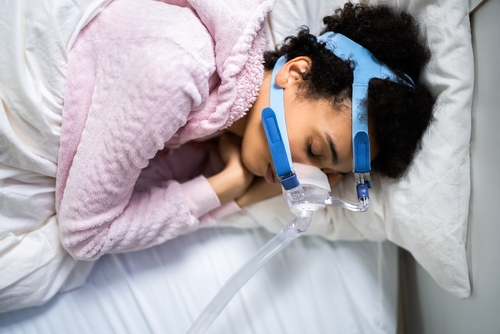
A sleep study is usually the first step in the diagnosis process, and it can be completed at home using a portable device or at a sleep center. During sleep, this study tracks vital signs such as oxygen levels, heart rate, and breathing. The severity of the illness determines the course of treatment after diagnosis. Continuous positive airway pressure, or CPAP, therapy is the most popular and successful treatment. By continuously pumping air via a mask, a CPAP machine maintains the airway open while you sleep.
Alternative therapies for people who are unable to tolerate CPAP include oral appliances, which move the jaw and tongue to maintain an open airway. Dentists with sleep medicine training frequently provide these devices. Surgery to remove extra tissue or fix structural problems in the nose or throat may be an option in more severe or resistant situations. Modifications to one’s lifestyle, such as sleeping on one’s side, avoiding alcohol and sedatives, quitting smoking, and decreasing weight, can also greatly alleviate symptoms.
Improving quality of life and avoiding major problems from sleep apnea depend on early detection and treatment. Individuals sometimes go years without receiving a diagnosis, attributing their lack of energy or restful sleep to aging or stress. Better long-term health outcomes and prompt treatment can result from increasing people’s knowledge of the symptoms and motivating them to consult a doctor.
Even while sleep apnea is silent at night, it can have serious and far-reaching consequences. Better sleep, more energy, and a healthier life can result from being aware of the symptoms, getting a good diagnosis, and completing therapy.